

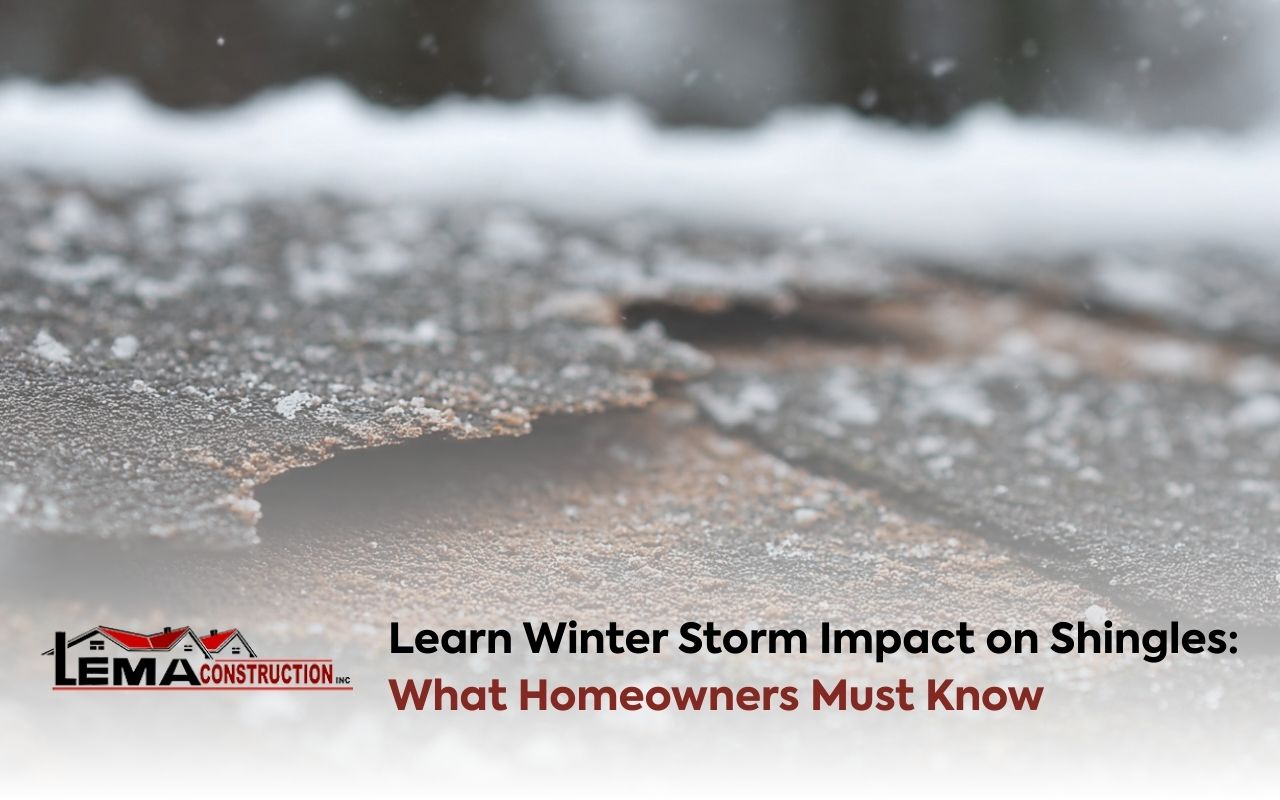
Learn Winter Storm Impact on Shingles: What Homeowners Must Know
Winter Storm Impact on Shingles can hide under snow and ice. Meanwhile, blizzards and cold winds hit Randolph, MA. Even so, your roof may look fine from the street.
However, small cracks or loose edges can lead to leaks as snow melts. Therefore, acting early helps you avoid bigger repairs later.
Common Winter Storm Damage to Shingles
After a storm, shingles face heavy snow, sleet, and wind. As a result, melting and refreezing can create tiny cracks. In addition, gusts can lift edges and expose the base layer.
Freeze-thaw cycles can split the shingle surface over time.
Wind can lift edges and weaken the seal.
Small hail can dent shingles and speed up wear.
Also, look for granules in gutters and downspouts. Likewise, curled, lifted, or missing shingles can let water reach the roof deck. Consequently, rot and mold may start in the attic.
Detecting Signs of Shingle Weakness
Check the roof from the ground
First, scan for missing, cracked, or torn shingles. Next, watch for curled or buckled edges. Also, use binoculars to spot dark patches where granules wore away. Therefore, you can notice trouble without climbing.
Check the attic for moisture clues
Meanwhile, look for stains on wood panels and damp insulation. Additionally, notice any fresh drips during a storm. If wood feels soft, then rot may be starting. As a result, early action can stop bigger damage.
Importance of Timely Shingle Inspections
Regular checks before and after big storms help you catch small problems early. For example, inspect in late fall and early spring. Then, you can fix loose granules and small gaps before they spread.
Also, local pros can document damage for insurance. If you need Storm damage shingle repair Randolph MA, a trained roofer can spot issues you may miss. Therefore, you protect your home and avoid surprise leaks.
Impact of Ice Dams on Shingle Integrity
Winter Storm Impact on Shingles often gets worse with ice dams. Warm air from the attic melts snow higher up. Then, water refreezes at the cold eaves and forms a ridge.
As a result, water pools and can slide under shingles. Consequently, seals break, edges lift, and wood can get wet. Therefore, controlling attic heat and removing excess snow helps reduce this risk.
Preventing Water Damage Through Shingle Care
Simple upkeep helps snow and water move off the roof. In addition, it lowers the chance of trapped moisture. Therefore, plan small tasks before and during winter.
Clear gutters and downspouts so meltwater can drain.
Trim branches so debris does not hold moisture on shingles.
Keep the roof surface clean so snow sheds faster.
Also, consider roof-safe treatments that repel water and slow granule loss. Meanwhile, zinc or copper strips can limit moss and algae. As a result, shingles stay drier through harsh weather.
Emergency Shingle Repair Measures
If damage is sudden, quick steps can limit leaks. However, stay safe and avoid icy roofs. Instead, use temporary protection until help arrives.
Place a tarp over the area and extend it past the damage.
Seal small cracks with roofing cement under lifted edges.
Patch tiny holes with roof repair compound for short-term cover.
Still, these are temporary fixes. Therefore, schedule a proper repair as soon as conditions allow.
Consulting Professional Roofers for Post-Storm Assessment
After a major storm, a pro inspection can reveal hidden issues under snow and ice. Winter Storm Impact on Shingles is not always visible from the ground. Therefore, roofers use safety gear to check edges, vents, and flashing.
Additionally, they can provide photos and a clear report for claims. If you want material options built for New England weather, explore roofing services to see repair and replacement paths.
Long-Term Strategies for Protecting Shingles in Winter
Winter Storm Impact on Shingles can repeat every year without a plan. Therefore, improve attic insulation and airflow to keep roof surfaces cold. In addition, steady ventilation helps reduce freeze-thaw stress.
Also, schedule off-season checks for flashing and seal gaps. If you want added guidance, read roofing for storm protection for practical ways to strengthen your roof.
Shingle Replacement Considerations
If damage is widespread, replacement may cost less than repeated fixes. For example, many asphalt roofs last 20–25 years. Therefore, age and wear matter when you decide.
Also, choose shingles rated for hail and heavy snow. If you want to compare storm marks, review hail damage to shingles to learn what impact looks like up close.
Frequently Asked Questions
How soon should I inspect my roof after a winter storm?
Ideally, check within a day or two, if it is safe. Then, you can spot missing shingles and granule loss early.
What is a quick sign that shingles may be leaking?
Look for attic stains or damp insulation. Also, watch for ceiling marks after snow starts melting.
Can ice dams damage shingles even without visible cracks?
Yes, because water can push under the shingle edge. As a result, seals can fail over time.
Should I climb on the roof to check damage?
Usually, no. Instead, use binoculars and check the attic. Then, call a pro for a safe inspection.
How do I find help near me?
To choose local support, review service areas. Then, use contact our team to request an inspection.
Ensuring Shingle Strength Throughout Winter
Winter Storm Impact on Shingles is easier to manage with steady checks and quick repairs. Therefore, clear gutters, watch for ice dams, and fix small gaps early. In addition, simple care can extend roof life.
Finally, if you spot warning signs, bring in a pro for clear answers. As a result, your home stays dry, safe, and ready for the next storm.