

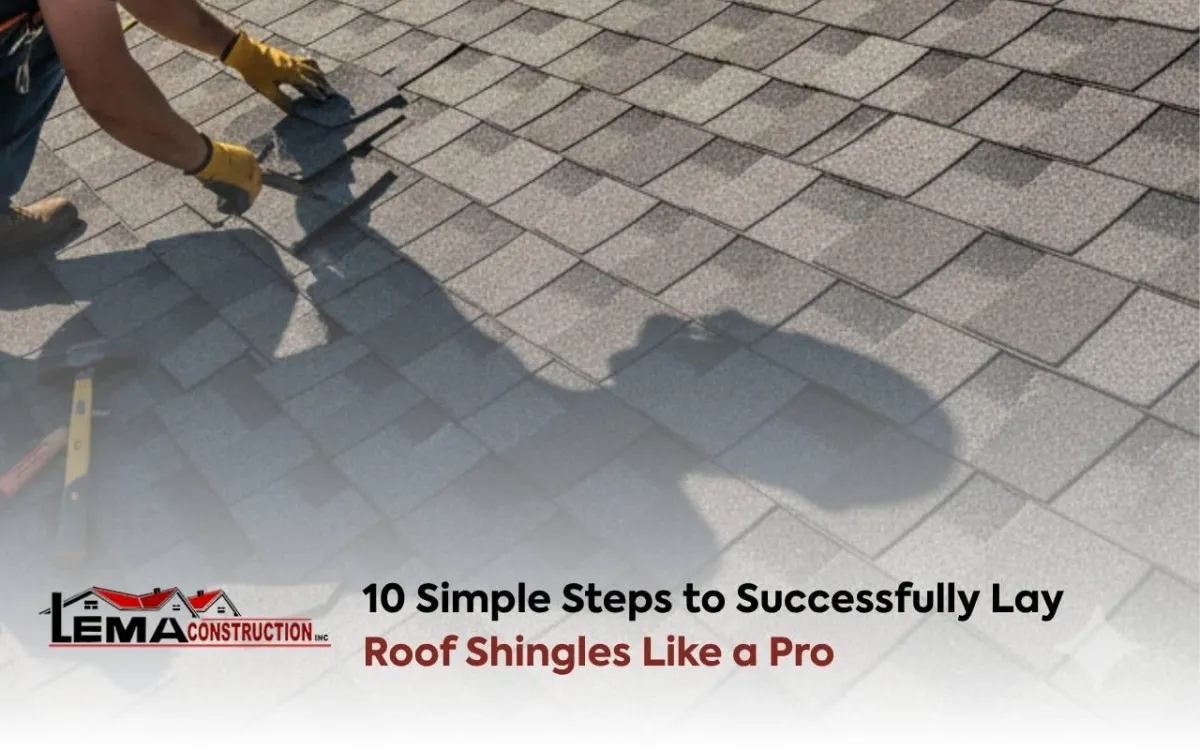
10 Simple Steps to Successfully Lay Roof Shingles Like a Pro
In Abington, many homeowners find roofing tasks intimidating. However, mastering how to lay roof shingles can be simpler than it seems. With clear guidance and the right tools, you can achieve professional results. Rather than feeling overwhelmed, approach this project with patience and preparation. Not only does learning this skill save money, but it also builds confidence. Home improvement trends show that more people are taking on roofing projects themselves. Therefore, understanding how to lay roof shingles effectively ensures your home stays protected and stylish. Explore each of these ten steps and gain both knowledge and satisfaction as you enhance your roof’s strength and appearance. For expert support, visit services for professional roofing options.
Understanding Roof Shingles: A Brief Overview
Roof shingles serve as your home’s first line of defense against the elements. Typically made from asphalt, metal, or wood, they provide both protection and visual appeal. Each material offers unique advantages, yet all rely on proper overlap to shed water efficiently. When you begin to lay roof shingles, understanding their composition is key. Asphalt shingles remain popular for their affordability and versatility, while metal and slate offer extended lifespans.
Asphalt shingles: affordable and easy to install.
Metal shingles: durable and energy-efficient.
Wood shingles: natural look with excellent insulation.
Moreover, shingles’ interlocking patterns prevent leaks and direct water safely away from your home. Familiarity with shingle types, wind ratings, and durability helps ensure success when you lay roof shingles. Ultimately, a solid foundation of knowledge gives you confidence before you start the project.
Essential Tools and Materials for the Job
Before climbing onto your roof, gather every essential tool. You’ll need roofing nails, a nail gun or hammer, chalk line, tape measure, gloves, and safety goggles. Don’t forget a roofing harness and sturdy ladder. Quality materials make a noticeable difference when you lay roof shingles, particularly in varying Abington weather conditions.
Underlayment and drip edge for moisture protection.
Starter shingle strips to secure edges.
Roofing cement and sealant for final touches.
Additionally, a magnetic nail holder can improve efficiency, while roof jacks enhance stability on steep slopes. Having all supplies ready prevents interruptions during installation. Preparation not only saves time but ensures each shingle is positioned correctly and securely.
Preparing the Roof Deck: Cleaning and Inspection
Before you lay roof shingles, the roof deck must be completely clean and solid. Remove all old shingles, nails, and debris. Sweep the surface carefully to create a smooth base. Inspect for rot or warping, especially near chimneys or valleys. Replace any damaged sections and ensure proper ventilation through soffit and ridge vents. This preparation helps prevent moisture buildup and extends your roof’s lifespan.
Installing Drip Edge and Underlayment
Drip edges and underlayment are vital components that prevent water damage. Begin by nailing drip edges along the eaves, overlapping sections by at least two inches. Then roll out the underlayment, overlapping each row horizontally and securing with roofing nails. Proper installation of these layers ensures a stable, waterproof foundation before you lay roof shingles.
Setting Up Starter Shingles Correctly
Starter shingles reinforce the first row and guard against wind uplift. Align them along the eaves with a slight overhang for runoff. Nail securely every six inches, ensuring straight placement. By installing starter strips correctly, you guarantee that subsequent rows fit tightly, maintaining a consistent pattern across the roof.
Nailing Down the Roof Shingles: Techniques and Best Practices
Correct nailing ensures longevity and performance. Use corrosion-resistant nails and position them just below the adhesive line. Maintain consistent spacing—four nails per shingle or six for high-wind areas. Avoid over-driving or under-driving nails to prevent weak spots. Additionally, stagger the joints for a watertight seal. As you lay roof shingles, work methodically up the slope, checking alignment with a chalk line. This technique promotes uniform exposure and prevents crooked rows, ensuring a clean, professional finish.
Cutting and Fitting Shingles Around Vents and Chimneys
Precision cutting around vents and chimneys protects against leaks. Measure accurately and cut with a utility knife for clean edges. Use metal step flashing at chimneys and roof penetrations. Seal all joints with roofing cement to block moisture. When cutting shingles, remember to maintain a small gap near metal flues to allow expansion. These careful adjustments guarantee tight, durable seals in vulnerable areas.
Hip and Ridge Shingles Installation
Installing hip and ridge shingles completes your roof’s structure. These shingles are thicker and overlap for extra protection. Begin at one end and overlap each piece by about five inches. Use two nails per piece, securing both sides equally. Apply roofing cement on the first and last few caps for added stability. Straight alignment along the ridge gives a neat appearance while preventing leaks. Once this step is complete, your roof gains both durability and symmetry.
FAQs
How long does it take to lay roof shingles?
It depends on roof size and weather, but most homeowners complete small projects within a few days.
Can I lay roof shingles over existing ones?
Yes, but only if the old shingles are flat, dry, and in good condition. Otherwise, removal is recommended.
What safety measures should I follow while roofing?
Always wear a safety harness, non-slip shoes, gloves, and eye protection. Avoid working on wet or windy days.
When is the best season to lay roof shingles?
Spring or fall are ideal since moderate temperatures help shingles seal properly and reduce breakage.
Do I need professional help for complex roofing designs?
Yes, intricate designs or steep slopes benefit from expert assistance. Contact skilled contractors for quality results.
Celebrate Your Success: Maintaining and Caring for Your Finished Roof
After completing your installation, regular maintenance keeps your roof performing at its best. Inspect twice yearly to identify damage early. Clean gutters, remove debris, and check flashing around chimneys. Proper attic ventilation prevents heat buildup and extends shingle life. If you ever notice wear or recurring leaks, seek help from professionals through contact. Consistent care ensures your work continues to protect your home for decades. Taking the time to lay roof shingles correctly pays off in durability, beauty, and peace of mind.