

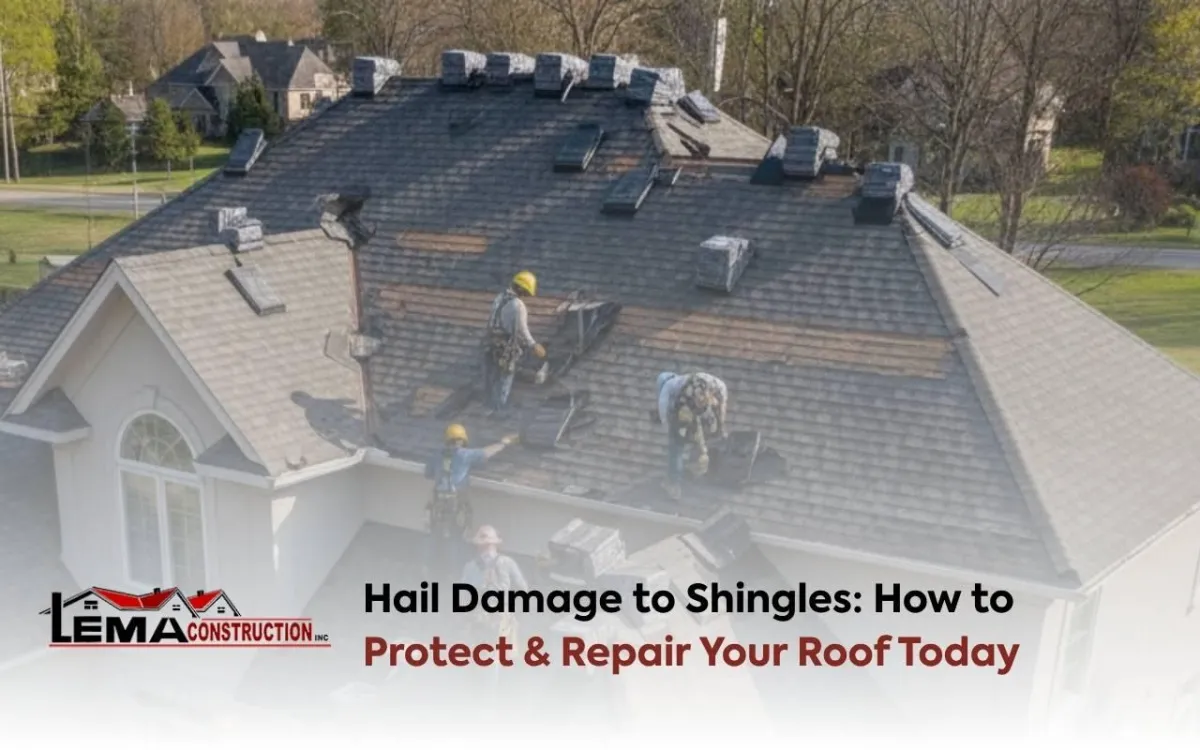
Hail Damage to Shingles: How to Protect & Repair Your Roof Today
Every homeowner dreads the sound of hail hitting the roof, fearing the hidden issues it may cause. Hail damage to shingles can silently weaken your roof, reducing its lifespan without visible warning. In Abington, where severe storms are frequent, understanding the risks and knowing how to protect your home is crucial. Ignoring this damage could result in leaks, higher energy costs, and unwanted repair expenses. However, when you act quickly, you preserve your roof’s strength and ensure long-term protection. If you need immediate roof assistance, visit our services page for expert support.
Understanding Hail Damage to Shingles
Hail damage to shingles happens when ice pellets strike the roof with force, leading to dents, cracks, or granule loss. The impact depends on the hail size, roof angle, and wind intensity. Even small hailstones in Abington can remove protective granules, exposing the asphalt underneath. Over time, this exposure can cause leaks and decay. Moreover, tiny fractures may not be visible at first, but they worsen as temperatures change. Recognizing early signs helps homeowners act before major problems appear.
Look for cracked or dented shingles after storms.
Check for granules collecting in gutters.
Watch for curling or discoloration over time.
Hail damage to shingles may seem minimal, yet it can compromise the entire roof system. A timely inspection ensures that issues don’t escalate unnoticed.
Signs of Hail Damage on Your Roof
After a storm, examine your roof for circular dents or dark spots where granules have worn away. These spots often indicate hail impact. In Abington, where weather changes quickly, remove debris before inspection to reveal the affected areas. You should also inspect gutters and downspouts for excess granule buildup, a clear sign of erosion caused by hail damage to shingles.
Check for dents on vents, flashing, and metal trim.
Look for uneven wear patterns across the roof.
Monitor attic ceilings for water stains after storms.
Detecting issues early prevents minor roof damage from turning into costly repairs. For professional evaluation, you can contact our roofing specialists today.
Importance of Timely Inspection
Scheduling inspections immediately after a hailstorm protects your home from long-term issues. Delaying assessments can lead to water intrusion and wood rot. In Abington, frequent spring and fall storms make timely checks vital. Additionally, recording the date and visible damage helps with potential insurance claims later. Confirming hail damage to shingles quickly also supports stronger documentation for coverage approval.
Timely inspections save time and prevent future roofing complications. Acting fast ensures your home stays secure and energy-efficient throughout the year.
DIY Tips for Initial Assessment
Homeowners can safely conduct an initial inspection to determine if professional help is required. Use a stable ladder and wear shoes with good traction. Gently touch shingles to detect soft or bruised areas that signal hail damage to shingles. Also, walk around your property to check siding, gutters, and fences for visible dents, which often correspond with roof damage above.
However, while DIY checks offer insight, they don’t replace professional expertise. For comprehensive analysis, schedule a visit with a certified roof inspector for an accurate evaluation.
Calling in Professional Roof Inspectors
Experienced inspectors have the tools and knowledge to identify even hidden hail damage to shingles. They use infrared imaging to detect trapped moisture and drones to assess inaccessible areas. Their reports detail the extent of the damage, suggested repairs, and photos to support insurance claims. Professionals follow strict industry standards to ensure thorough inspections, giving homeowners peace of mind after severe weather events.
Infrared scans identify moisture below the surface.
Drone imaging provides complete roof coverage.
Reports support faster insurance claim processing.
By hiring certified inspectors, you ensure that no area of your roof is overlooked and that repairs address both visible and hidden damage.
Repair Options for Damaged Shingles
Minor hail damage to shingles may only require replacing affected sections. Matching colors and materials keeps your roof visually uniform. Contractors carefully remove damaged shingles and replace them with new ones to maintain waterproof protection. If multiple areas are impacted, partial re-roofing might be a cost-effective solution. However, older roofs nearing the end of their lifespan may benefit from full replacement with impact-resistant shingles.
Professional repairs restore your roof’s durability and prevent further structural issues. Investing in quality materials ensures your roof can handle future hailstorms effectively.
Preventive Measures Against Future Hail Damage
To reduce future roof damage, consider installing impact-resistant shingles rated Class 3 or Class 4. These materials withstand heavy hail and high winds better than traditional shingles. Though they cost more initially, they minimize repair needs over time, especially in hail-prone regions like Abington. Reinforcing roof edges and installing protective covers over skylights can also help prevent cracks and punctures during storms.
Trim nearby branches to avoid falling debris.
Clean gutters regularly to ensure proper drainage.
Inspect flashing and sealant at least twice yearly.
Preventive maintenance extends roof life and reduces costly storm-related repairs. For guidance, explore our roofing services to find the best protection solutions.
FAQs
How can I identify hail damage to shingles?
Look for dents, cracks, or missing granules. If unsure, schedule an expert inspection to confirm hail damage to shingles.
Can small hailstones still damage my roof?
Yes. Even minor hail can weaken shingle granules, causing future leaks and reducing your roof’s durability.
Should I repair or replace my roof after hail damage?
If the damage is limited, repairs may suffice. However, widespread hail damage to shingles may require replacement.
How often should I inspect my roof?
Inspect your roof twice yearly and after major storms to catch hail-related issues early.
Does homeowners’ insurance cover hail damage?
Most policies cover hail damage to shingles, but review your plan details and deductibles before filing a claim.
Protecting Your Roof for Years to Come
Hail damage to shingles can compromise your roof’s safety and performance. Regular inspections, quality materials, and timely repairs safeguard your home. By staying proactive, you extend your roof’s lifespan and avoid unexpected costs. Don’t wait for the next storm—contact our experts today for a professional roof inspection and reliable solutions that last.